Chirk is a historic town in Wrexham County Borough, North Wales. The area has a rich history dating back many centuries. Chirk’s history can be traced back to the medieval period when a wooden motte-and-bailey castle was constructed by Roger Mortimer in the late 11th century. This early castle was eventually replaced by the stone Chirk Castle in the late 13th century, which still stands today.
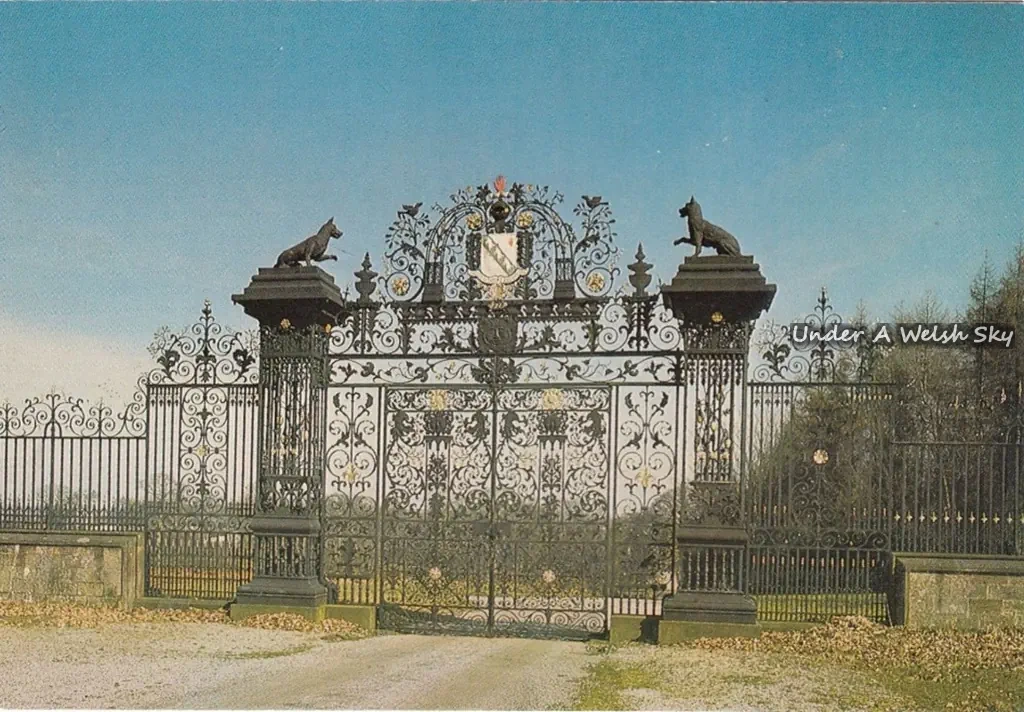
Chirk Castle, now a National Trust property, was built by Edward I to defend the English-Welsh border. It has served various purposes over the centuries, including as a fortress and later as a stately home. The castle has witnessed significant historical events and has been associated with various noble families.
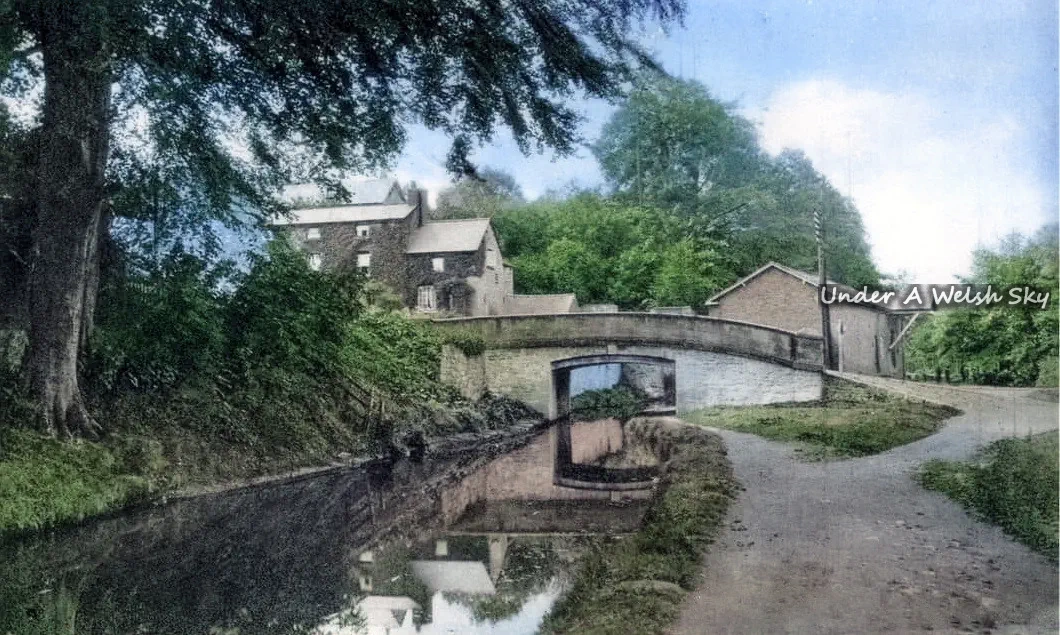
With the advent of the Industrial Revolution, Chirk saw changes in its economy. The opening of the Llangollen Canal in the 18th century brought increased trade and traffic to the area. Chirk also became known for its coal and iron industries during this period.
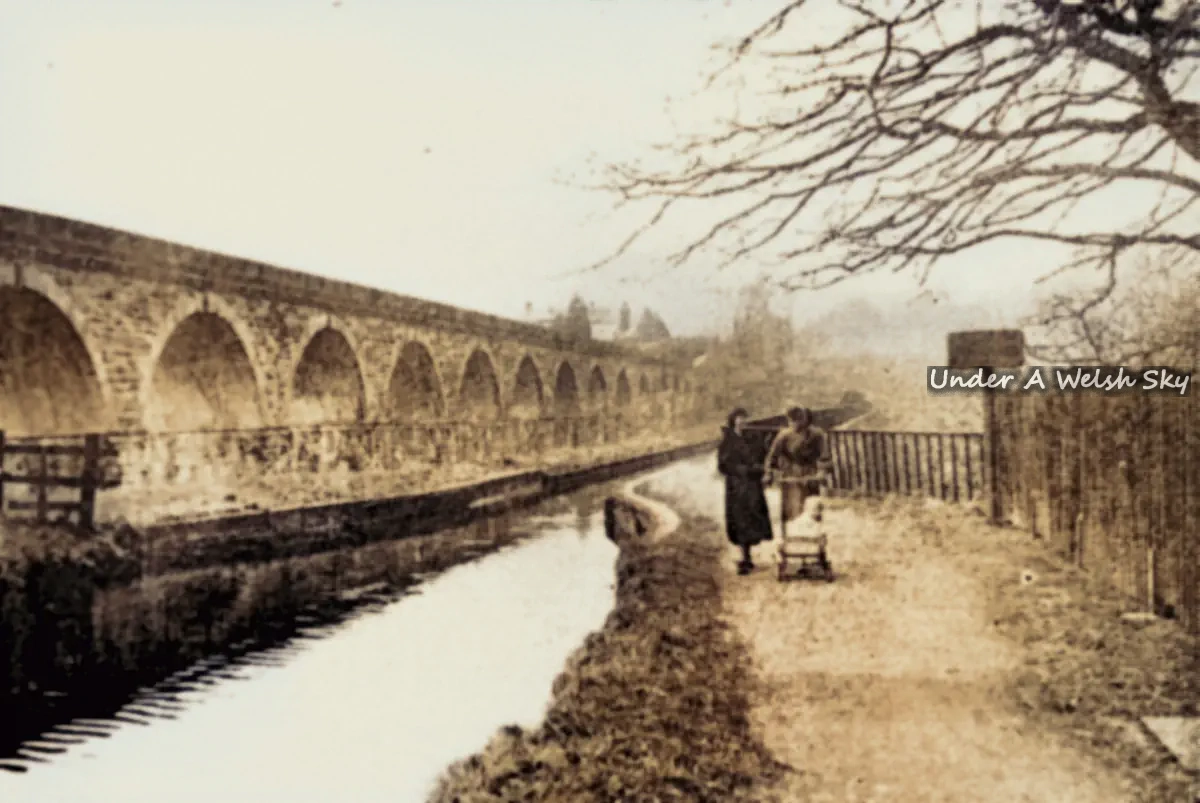
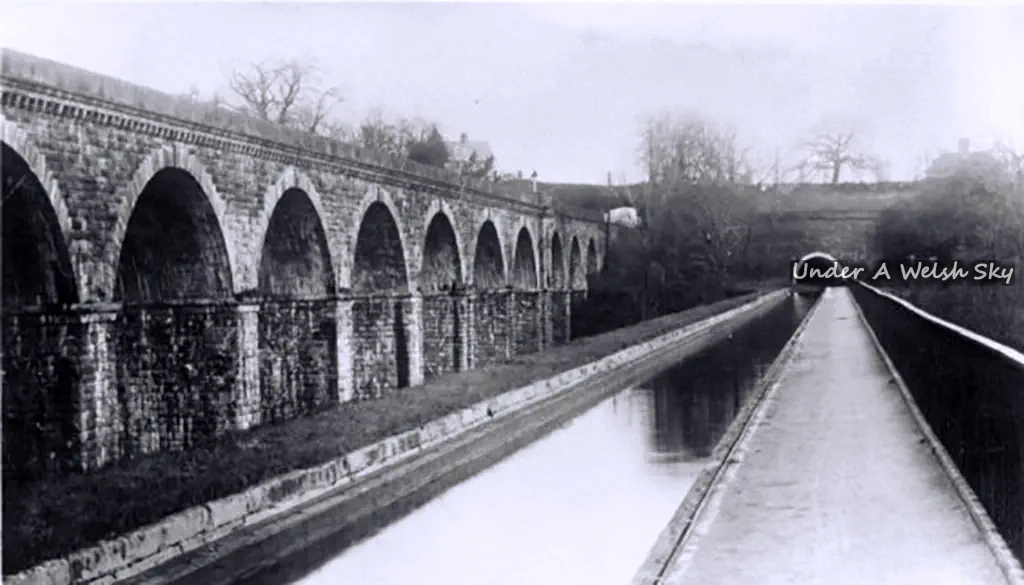
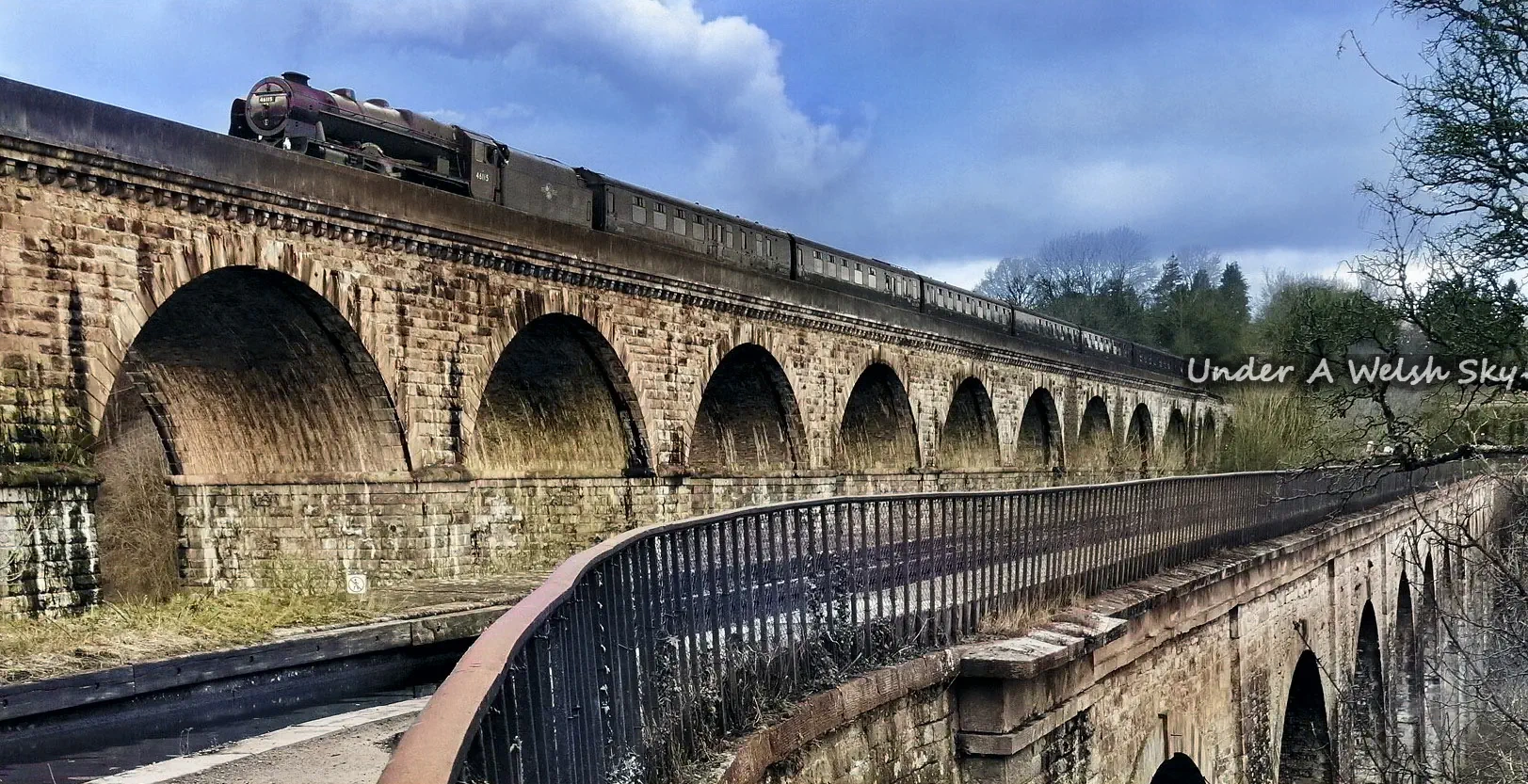
The 10-arch Chirk aqueduct carries the Llangollen Canal over the Ceiriog Valley. It opened in 1801, when boats began to transport goods from the basin at the north end. The canal was extended to Froncysyllte the following year. Alongside Chirk aqueduct stands the 16-arch viaduct of the Shrewsbury & Chester Railway, opened in 1848, engineered by Henry Robertson.