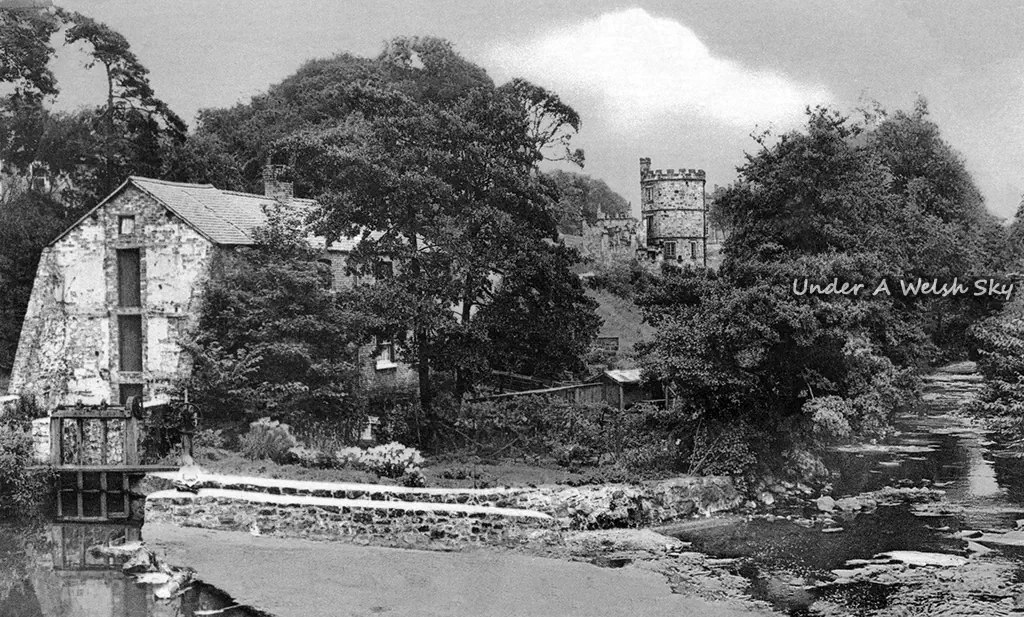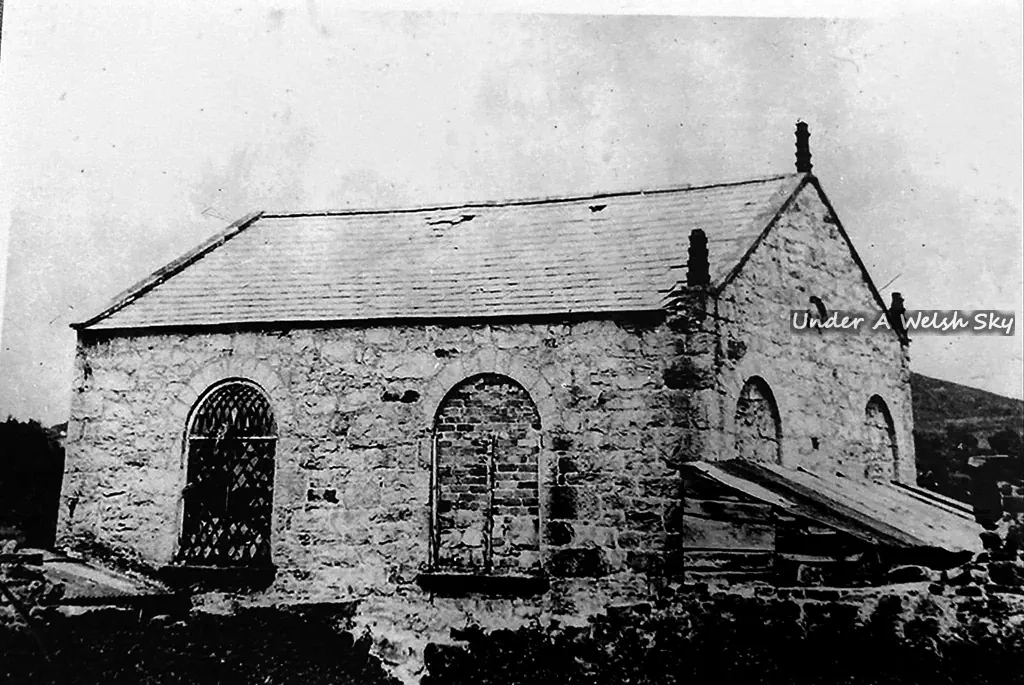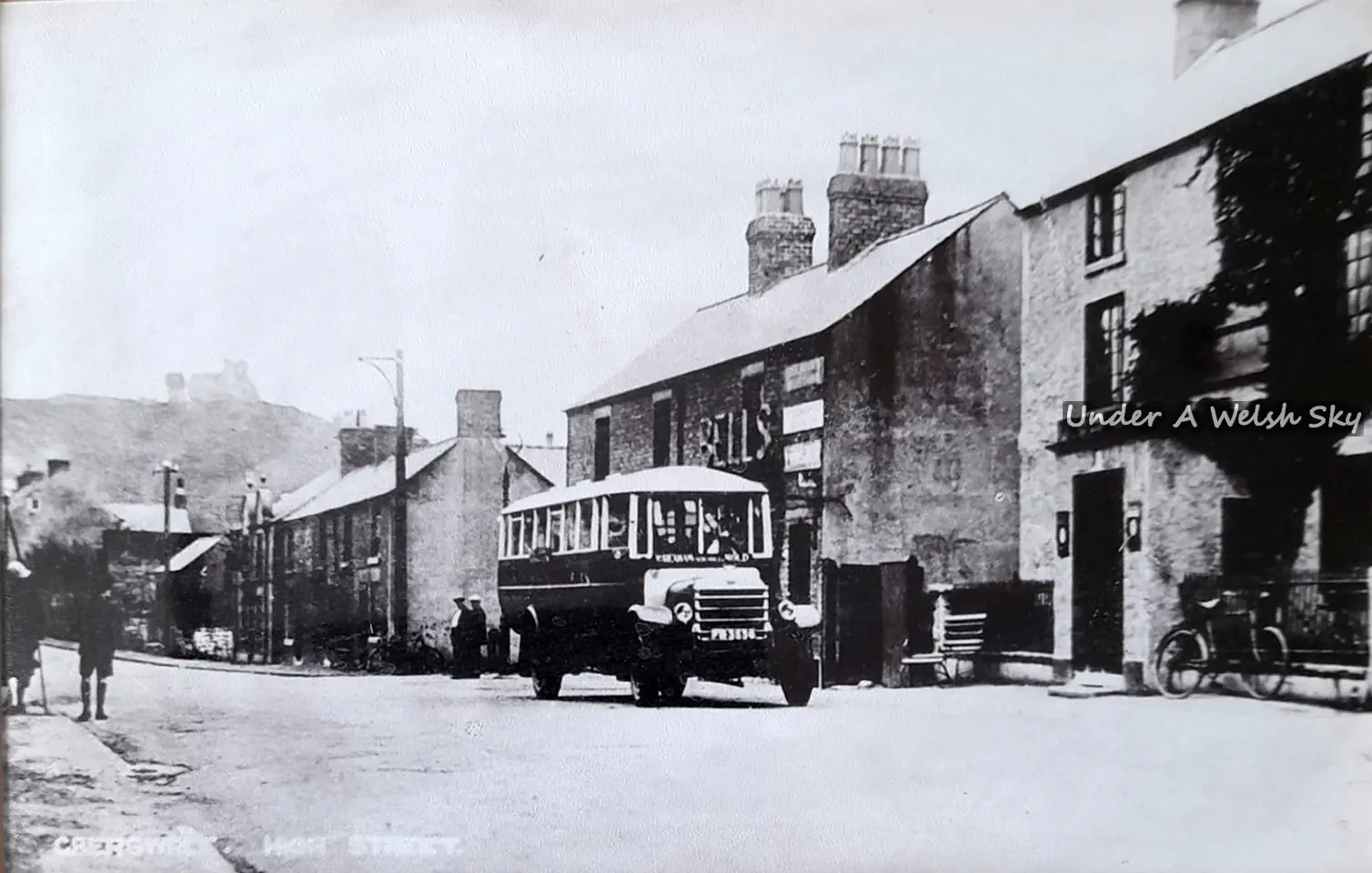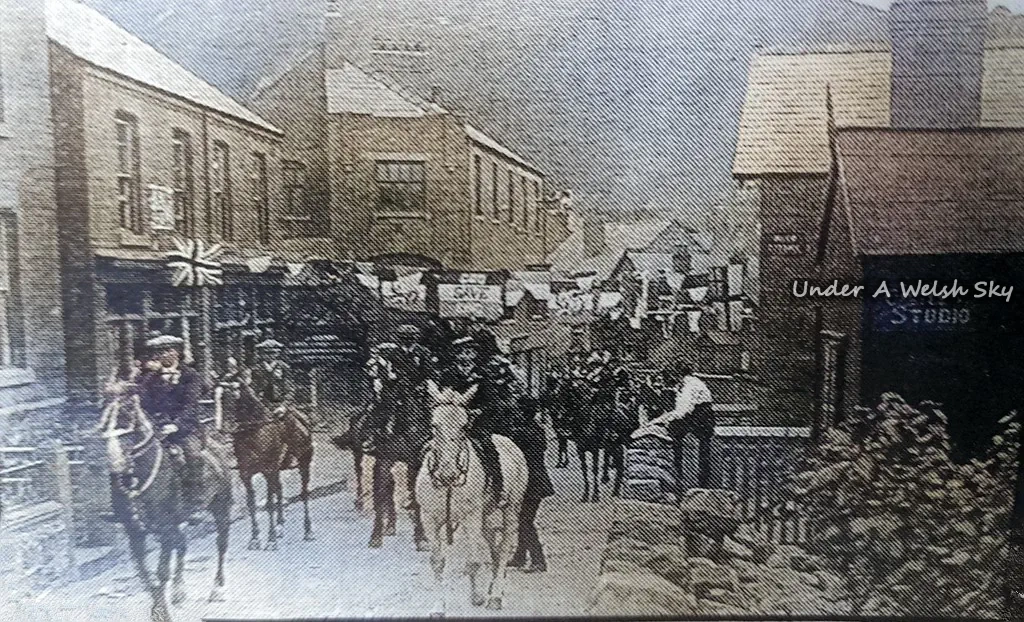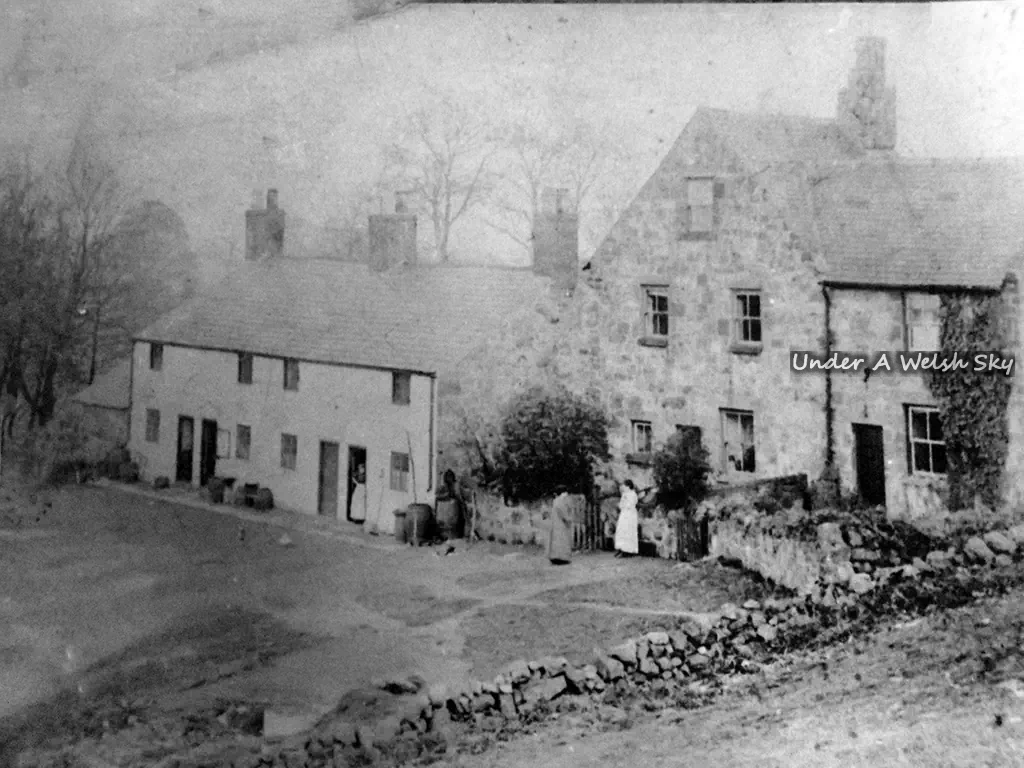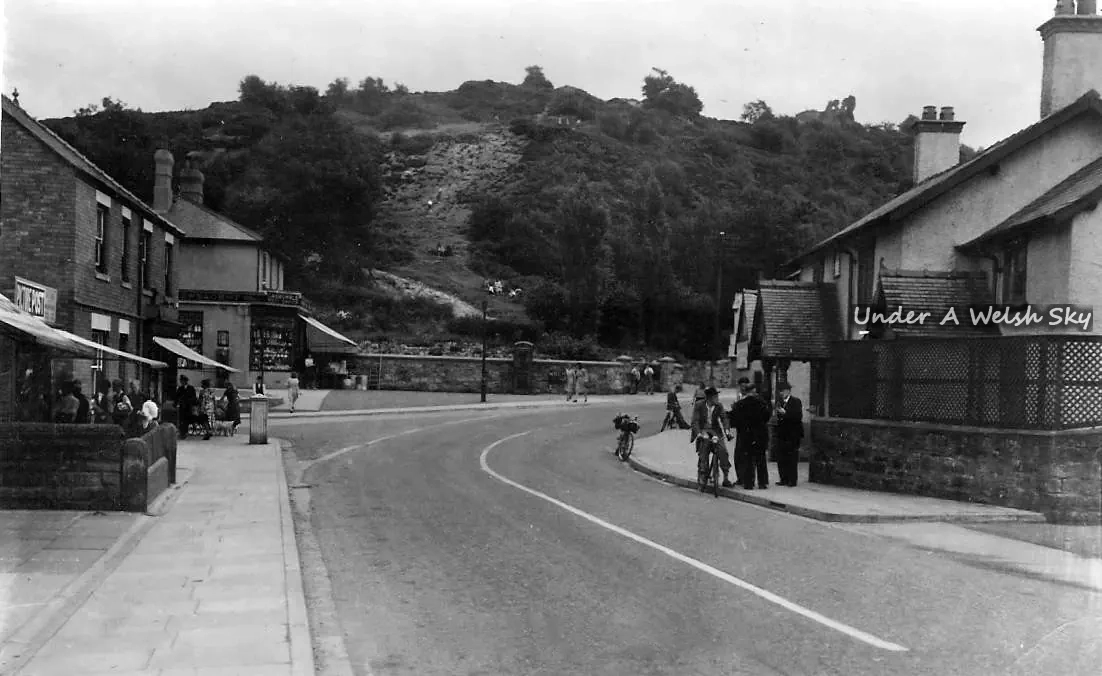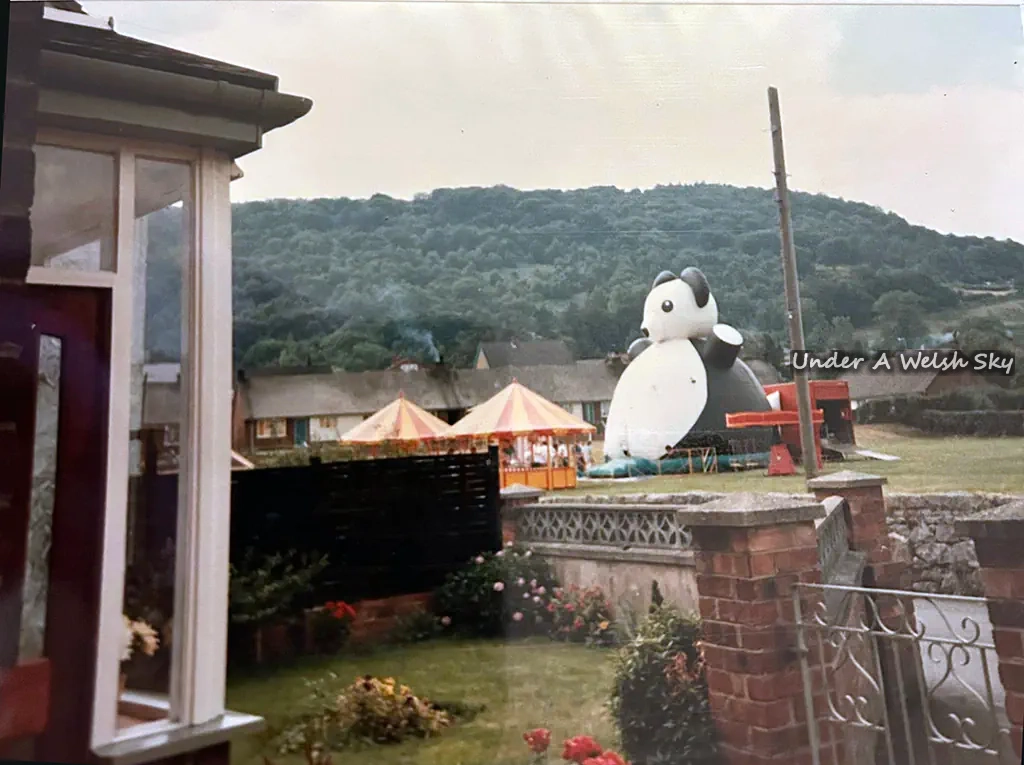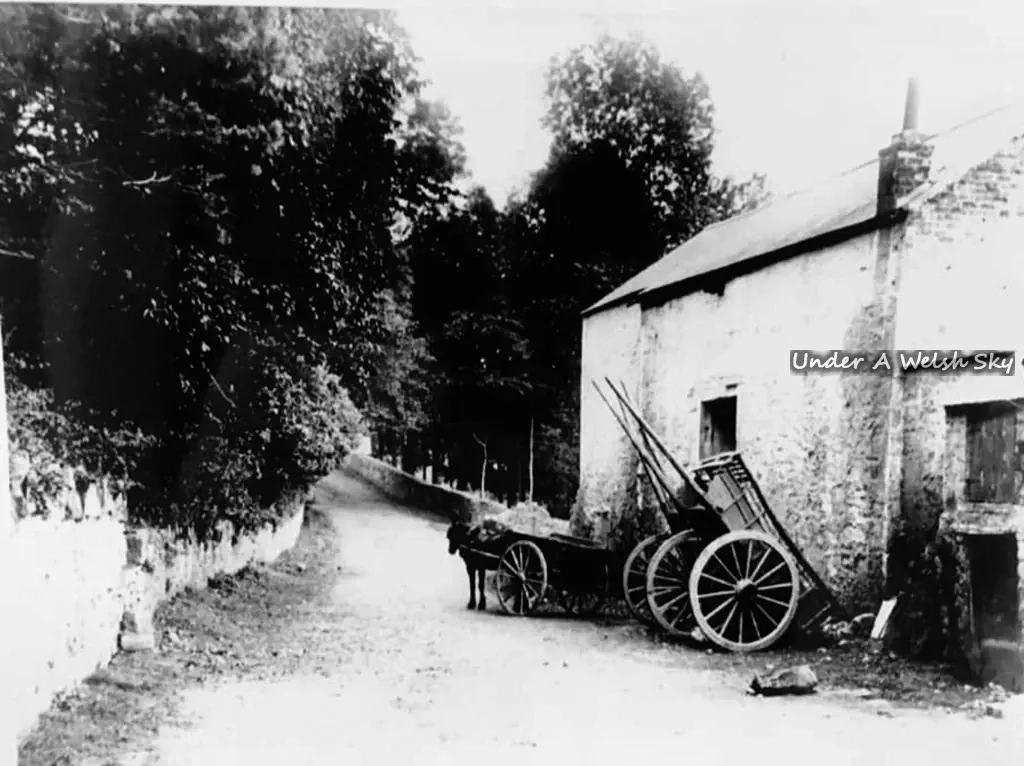
Caergwrle is a village approximately 5 miles from Wrexham and situated on the A541 road, it is contiguous with the village of Abermorddu and closely related to the village of Hope. The village originally had the English name of Corley, but with the addition of the Welsh Caer, meaning fortress, the name gradually took on Welsh characteristics. The village lies on the river Alyn and sits at the base of Hope Mountain (Mynydd yr Hob).
The nearby 13th-century ruined Caergwrle Castle was first built by Prince Dafydd ap Gruffudd, the brother of Llywelyn ap Gruffudd, the last native Prince of Wales in lands given to him by Edward I after the first Welsh campaign of 1277. The village itself likely grew around the castle, with agriculture and trade supporting the local economy.
The masonry castle, on the highest point of the hill, Construction of the castle began in 1277, after King Edward I gave the lordship of Hope to Dafydd ap Gruffydd in recognition of his help in their capture from his brother Llywelyn. Its architecture reflects Dafydd’s divided loyalties, with English elements incorporated into a basically Welsh pattern. A single curtain wall, which survives on the east, is fronted by a substantial ditch with an outer counterscarp bank; there are towers, with blunt apses of English pattern, on the north and south-east and a round keep at the south. Openings for latrines at first floor level can been seen in the curtain to the west of the north tower, and unusually, two large holes in the west wall of the tower itself contained timber beams supporting the canopy of an internal fireplace. The south-east tower, again unusually, apparently had a living chamber at ground level, and its poor defensive position offers inadequate cover to the eastern curtain. There is no evidence of defences of the precipitous west, although this side has probably been damaged by quarrying. It is uncertain where the entrance lay, although one on the north-west seems likely.
Notable features included two D-shaped towers and a great circular keep overlooking the approach to the south-east. It has been speculated that Dafydd employed English masons to work on the castle, which was apparently unfinished when Dafydd revolted in 1282. By the time Edward had gathered an army to invade Wales in June, Dafydd had already retreated from Caergwrle, and had slighted the castle, even blocking up its well to deny it to the English. Edward promptly began rebuilding the castle, and gave it to his wife, Eleanor of Castile. However, a fire in 1283 gutted the castle, and it was never rebuilt.
Today, little remains of the fortifications, other than some earthworks and a smattering of recognisable masonry.
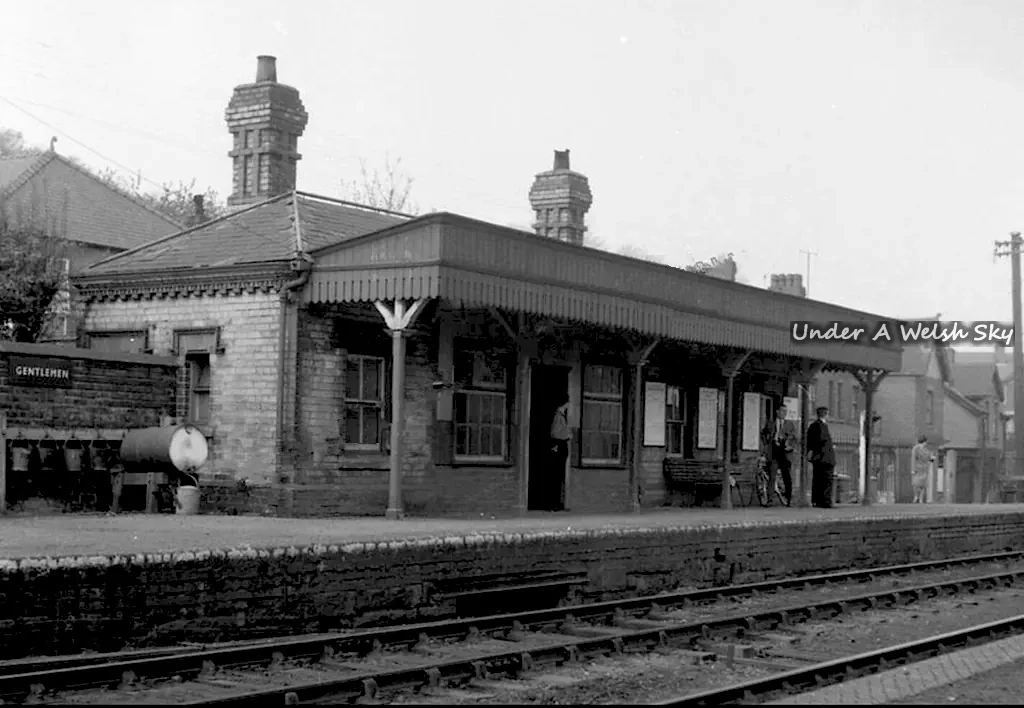
Like many areas in Wales, Caergwrle experienced industrialization in the 18th and 19th centuries. Coal mining, quarrying, and brickmaking became significant industries in the region, contributing to economic growth. The development of transportation infrastructure, including the arrival of the railway in the 19th century, further connected Caergwrle to neighbouring towns and cities, facilitating the movement of goods and people.
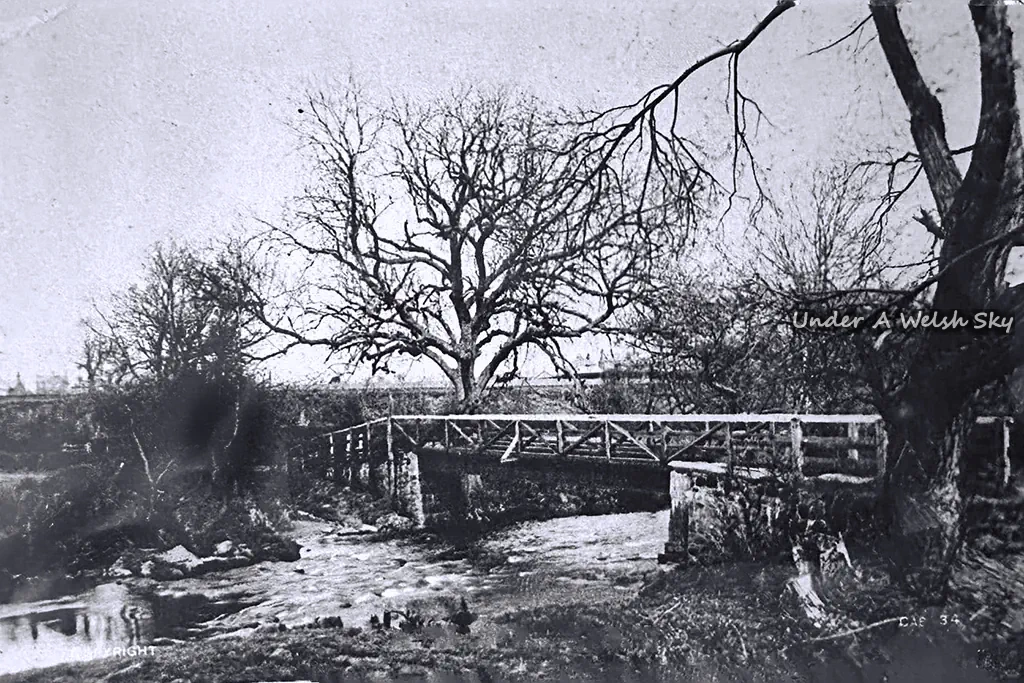
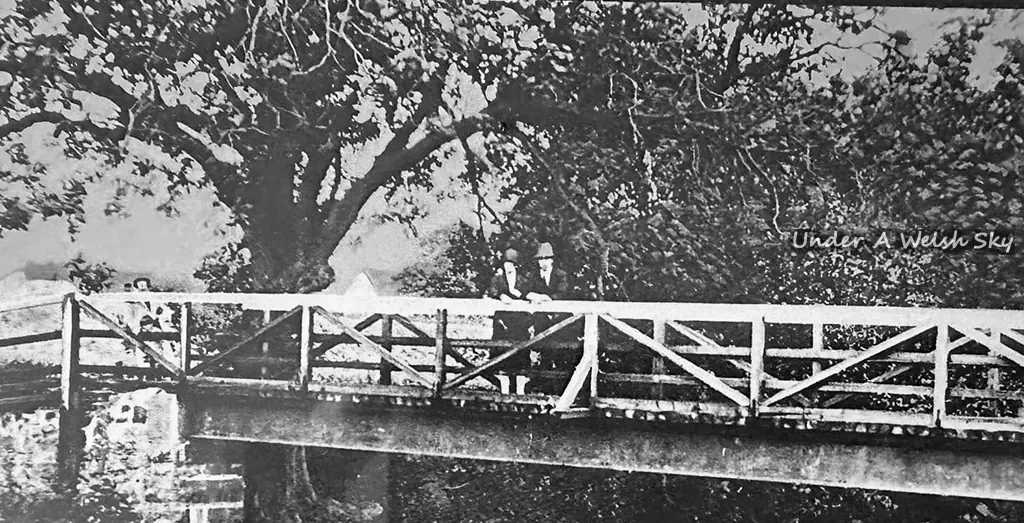
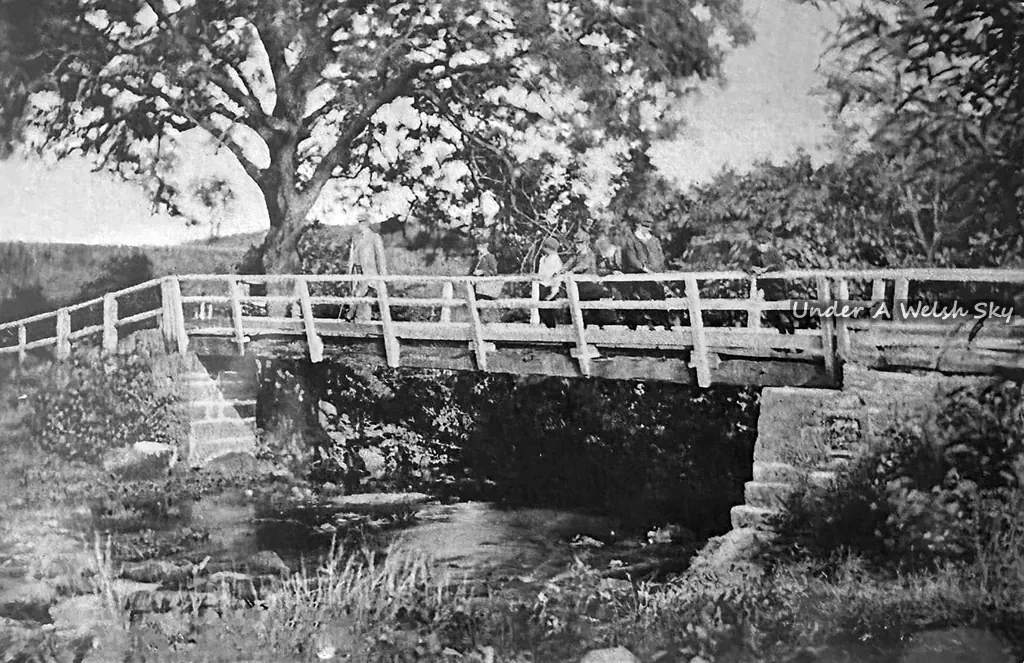
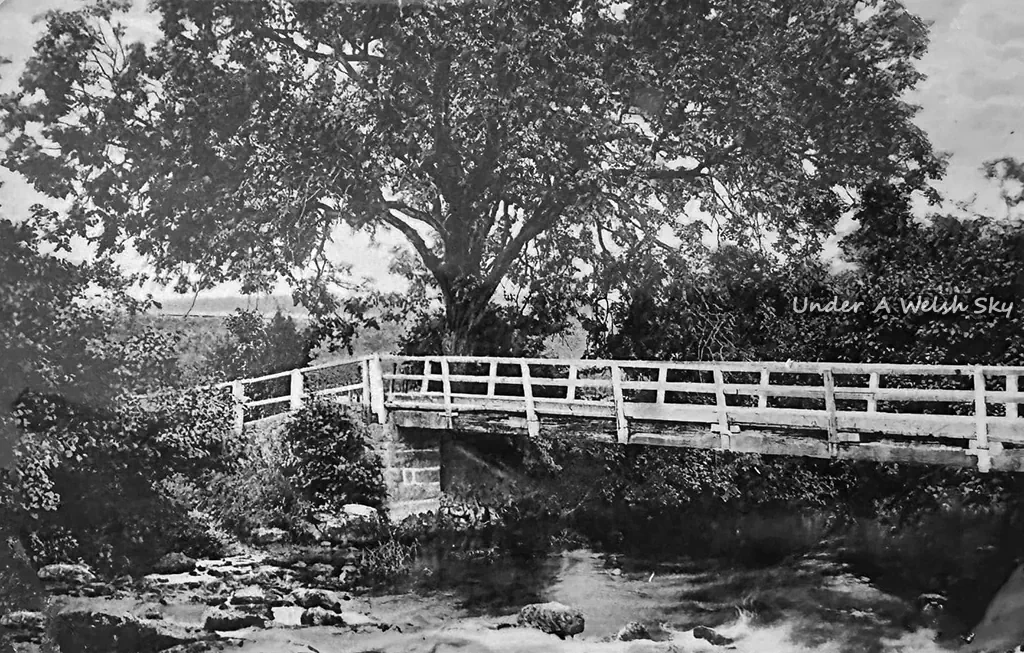
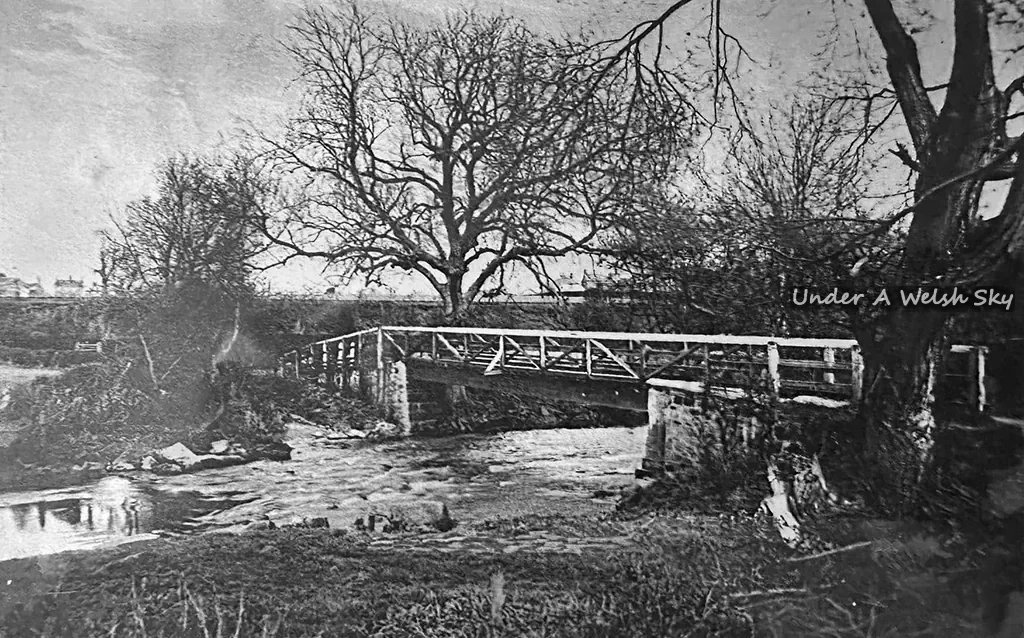
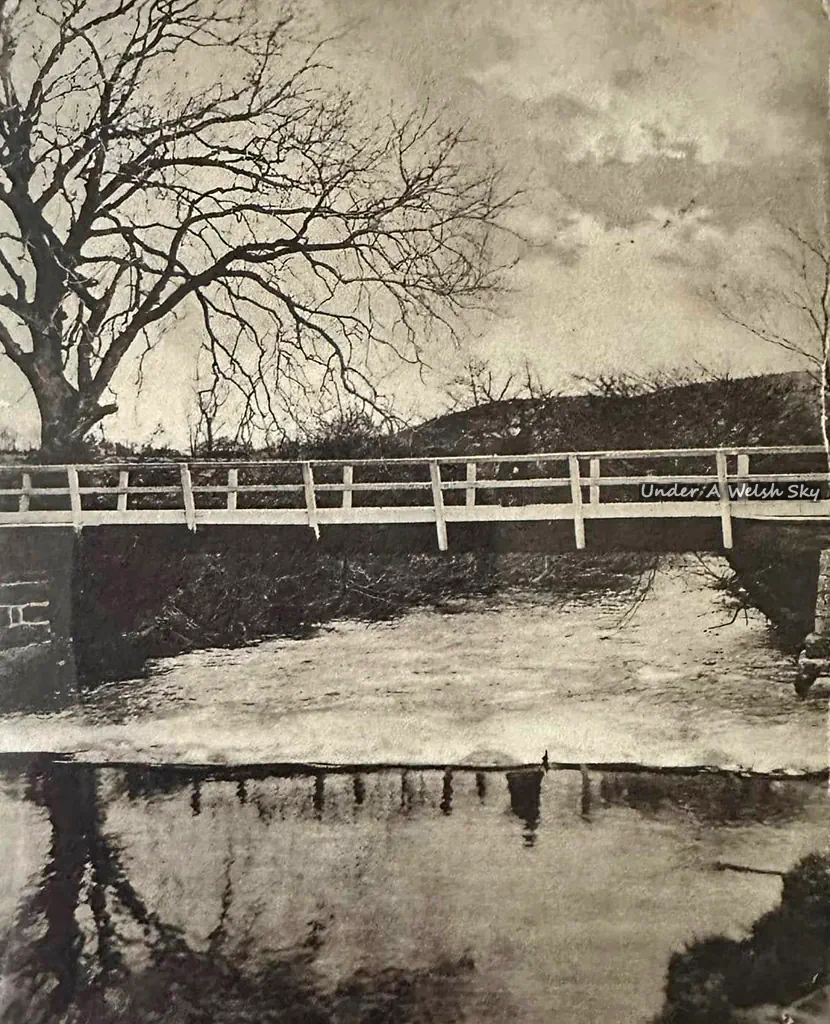
The 17th century Packhorse Bridge crosses the river Alyn. V shaped niches in the walls allowed pedestrians to stand out of the way of the packhorses. The walls are low to allow the bulging packs on the horses backs to overhang the walls. It is reputed to be haunted. The bridge was nearly destroyed by flooding in 2000, though it has since been restored.
At one time Caergwrle Ales were renowned. Lassell and Sharman established the brewery in 1861, realising that the local spring water was ideal for brewing beer. The brewery prospered, supplying many local pubs with pale, mild and bitter ales and an invalid stout. Barrels were sent by rail to Shotton for distribution and there was an off-licence at the brewery. In 1937, it was one of the first breweries to offer canned beer.
The brewery closed in 1945 soon after it was taken over by Burtonwood Breweries. The old brewery site was used by a paint manufacturer until the 1970s . No trace of the brewery remains as the buildings were demolished and housing built on the site.