
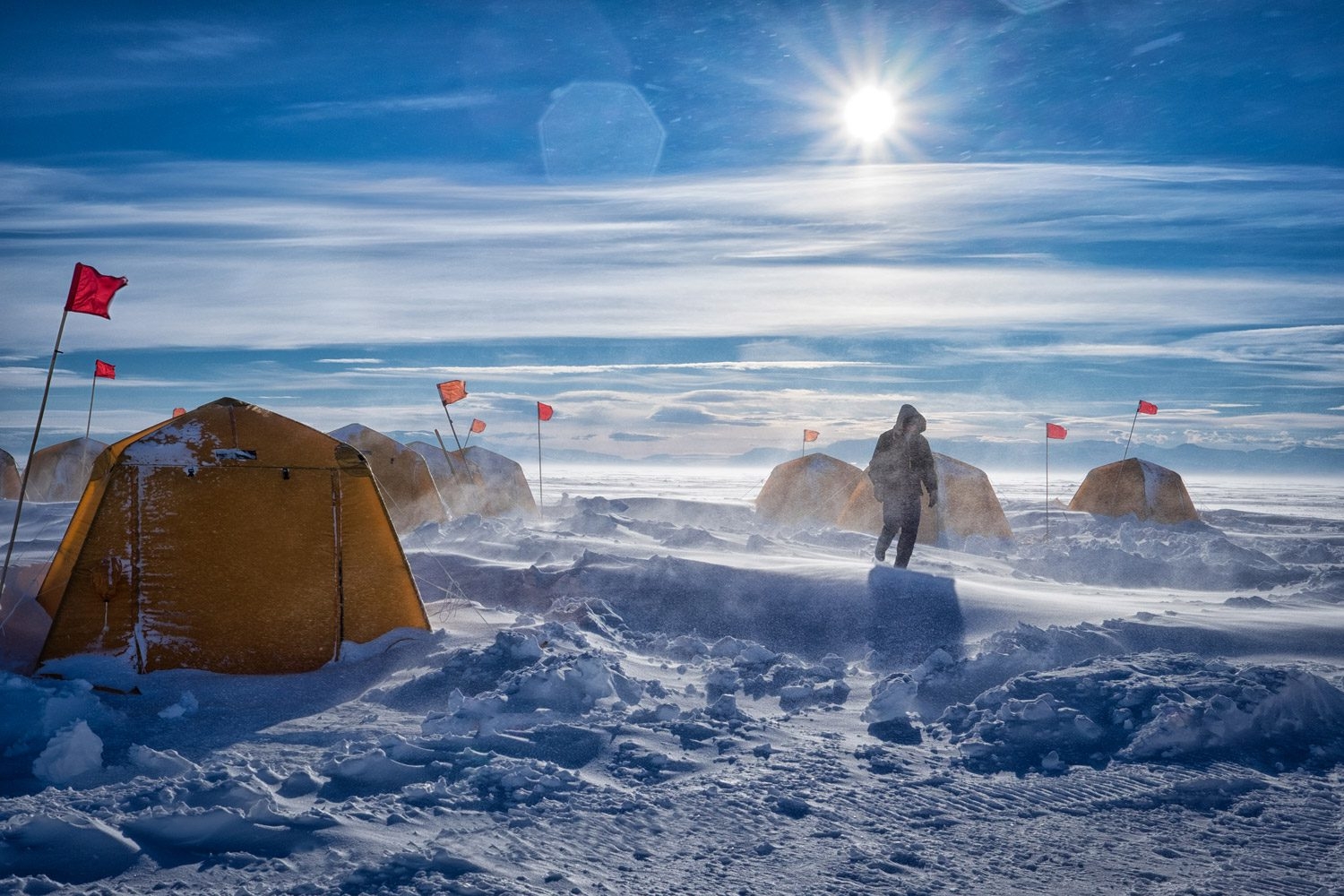
Given the devastation Covid 19 has caused on a worldwide basis, and the rumblings of yet another possible, if less damaging pandemic of Monkeypox, the news coming out of the scientific community about the discovery of bacteria in Antarctica that have natural antibiotic and antimicrobial resistance is particularly worrying, and, in other, less diseased and warring times, would have been front page news on websites and newspapers.
The emergence of these bacterial strains is tied in to global warming, and the thawing of once permafrost locked soil. Whereas in isolation, these bacteria may (or may not) be innocuous, and not affect the human community at all, but the worry is that the bacteria have evolved to resist the extreme polar conditions, but also, due to the way their DNA is organised, their characteristics can be easily transferred to other, more dangerous, bacteria, with the result that normal, long effective multiple antibiotics and other antimicrobial substances, like copper and chlorine no longer work in their treatment.
Should we be panicking now? Probably not, but, as we’ve seen in the past, the faster we react to threats, the less damaging they are. With Covid 19, world wide actions were delayed until it was too late to stop the global pandemic it became, it was if the West particularly tried to collectively look the other way and hope it would go away.
And as travel between the Antarctic Peninsula and the rest of the world continues to increase with the reduction of the ice sheets and an increasingly warming environment, the threat of the resistant bacteria characteristics escaping in to the rest of the world is a definite threat that needs attention now, not after the damage is irrevocably done. Imagine the nightmare scenario of a disease of the likes of Ebola combining with the resistant DNA and becoming untreatable with any modern antibiotics or antimicrobial agents?
So, what can we do? I would suggest straight away some form of quarantine for Antarctica, even if simply restricting the numbers visiting, and having decontamination protocols in place. And also limit the disturbing of any of the newly revealed soils and lands.
Currently practical difficulties and costs of extraction mean that Antarctica is not under immediate threat from mineral exploitation. There has never been any commercial mining in Antarctica, mining is currently banned by the Antarctic Treaty until 2048, when any changes will need at least a 75% vote from the involved countries. And there are no known plans by any of the Antarctic Treaty nations to reverse this decision. This, however, is not so far away now, and if the Treaty is to be re-ratified, the appearance of this latest discovery should be a concern to all nations, and taken in to additional account.
Antarctica has mineral deposits, though, with the remoteness and weather conditions, they are not economically viable to mine. The covering of snow and ice, usually hundreds or even thousands of feet thick have acted as a strong detriment for mining and extraction, but with a modern world rapidly exhausting natural resources, in 26 years’ time, the needs of modern life may outweigh the current reluctance to disturb one of the last natural environments on the planet
.It may be best for the planet, and for the survival of the human species, that Antarctica is left as pristine and untouched as we possibly can leave it. But, given our seeming need to accelerate our own extinction, personally I can’t see any actions being taken until its just too late. It’s the human way.
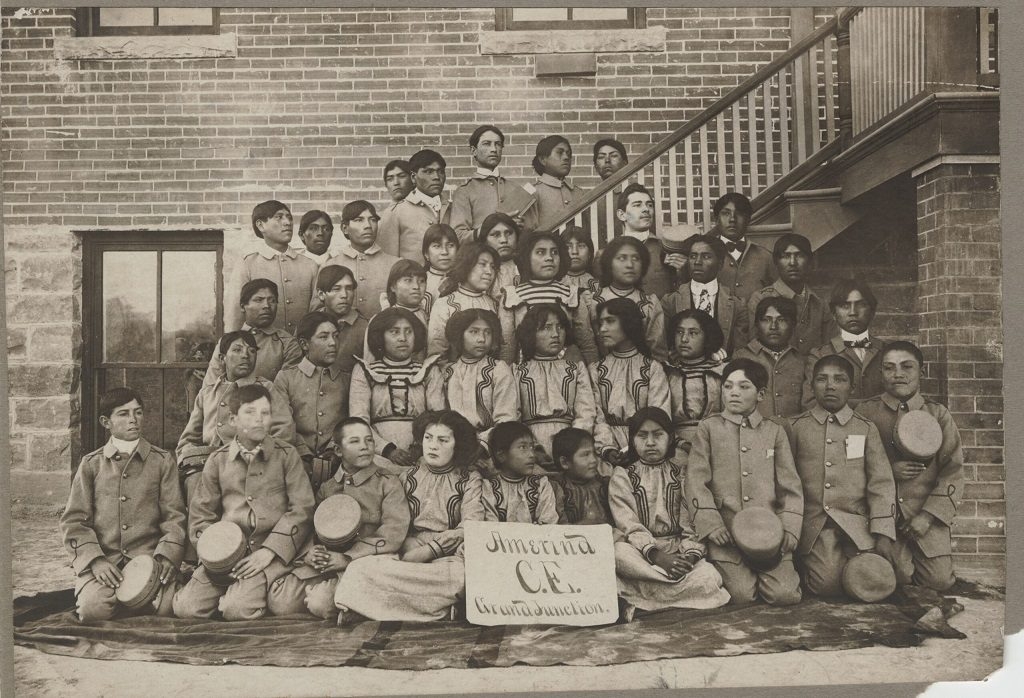
 U.S. Secretary of the Interior Deb Haaland, a former congresswoman from New Mexico and the first Native American to serve as a cabinet secretary, introduced legislation in 2020 calling for a Truth and Healing Commission into conditions at former federal Indian boarding schools. That legislation is still pending. Deb Haaland’s grandparents were both forced to attend such a boarding school, and she said at a recent press conference. “Many children like them never made it back to their homes. Each of those children is a missing family member, a person who was not able to live out their purpose on this Earth because they lost their lives as part of this terrible system,”.
 The latest report is the first time that the United States government has attempted to research the degrees to which it inflicted such treatment on Native American children for decades but it still does not show how the children died or who was responsible. An accompanying news release acknowledged the maltreatment of Indigenous children during the period of the school’s existence, but stop short of offering an apology from the United States government, which Native American tribal leaders have been demanding for many years. Conversely, Pope Francis apologised for the Catholic Church’s role in Canada’s boarding school system, and First Nation leaders are now asking him to apologise in person when he visits the United States this summer.





 Big Brother Watch (